Understanding which phase of the climate cycle we are in is the first step to preparing your crop before stress arrives, rather than reacting once it has already hit.
Every few years, the climate of half the planet is reshuffled from a single place: the Pacific Ocean. That swing has a name of its own, El Niño–Southern Oscillation, or ENSO, and it is worth knowing about, because it has a direct influence on the kind of season you are going to have.
Two faces of the same phenomenon
El Niño and La Niña are not two different phenomena, but the two phases of the same natural cycle. ENSO is an oscillation in the temperature of the Pacific Ocean that recurs irregularly every two to seven years and alters the distribution of rainfall and heat across much of the world. El Niño is the warm phase, with surface waters warmer than normal in the central and eastern Pacific; La Niña is the cold phase, with the opposite effect.
The name comes from Peruvian fishermen, who for generations had noticed the sea warming around Christmas. What was then a local observation turned out to be one of the most influential climate signals on the planet: ENSO can change global atmospheric circulation and, with it, temperatures and rainfall in regions very far from the Pacific itself.
Where are we now?
The cycle is active. In June 2026, NOAA (National Oceanic and Atmospheric Administration) confirmed the presence of El Niño and issued the corresponding advisory, forecasting that the phenomenon will strengthen to moderate or strong intensity towards the northern-hemisphere winter. It is worth remembering that El Niño tends to show its strongest effects precisely in the northern-hemisphere winter months, so the coming scenario will build over the next few months.
The same name, different impacts depending on the region
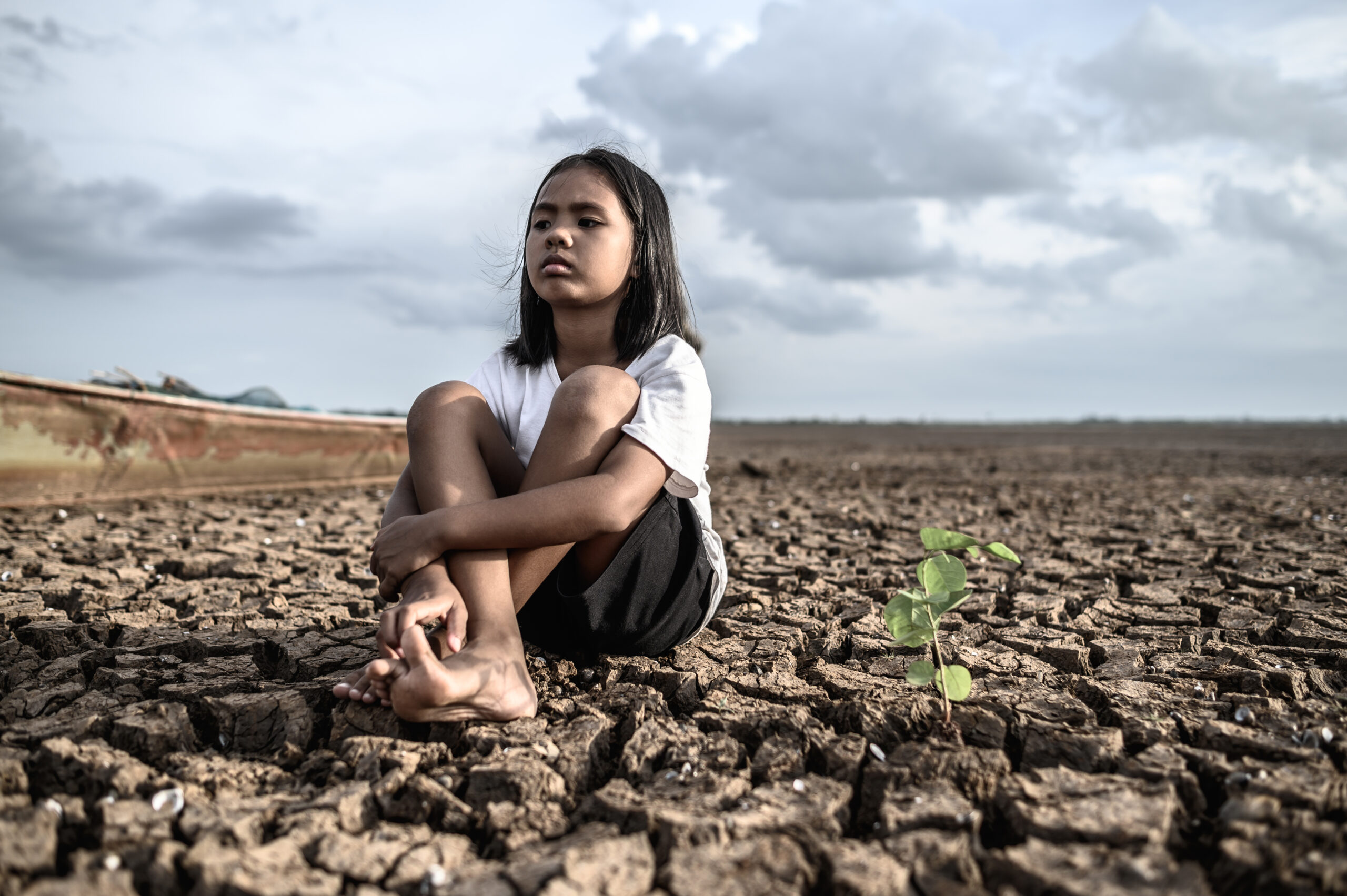
This is the key for growers: El Niño does not mean the same thing everywhere. On the coast of Peru and Ecuador it usually brings heavy rain and flooding, while in other regions the result is exactly the opposite: drought, less rainfall and heatwaves. It is not a forecast that can be read the same way in every field, nor a headline that applies equally to every crop.
What you can anticipate is not the exact millimetre of rain, but the type of stress you will have to manage. Are you facing a scenario of water shortage and high temperatures? Or one of excess moisture, with the pressure that puts on the roots and a higher likelihood of root problems? That question can be answered before the season starts, and answering it in time completely changes your room for manoeuvre.
Getting ahead instead of playing catch-up
Knowing which phase of the cycle we are in is the first step to not chasing the weather. When you know the likely scenario for your area, you can prepare the crop for that specific stress: strengthen the root system ahead of a hot spell, improve water-use efficiency if drought is expected, or look after root health and drainage if what is coming is excess moisture. The difference between managing abiotic stress in advance or after the fact, with the crop already affected, shows both in the plant’s resilience and in the final result.
“El Niño is not managed when it arrives: it is managed by knowing it is coming and preparing the crop for the stress it will bring to your area.”
At Vellsam, this is exactly the idea we work on: anticipating abiotic stress and giving the plant the tools to cope with it before the weather turns tough. Knowing the cycle is the first step; preparing the crop is the next.
BY REGION
As we said, El Niño is not felt the same way everywhere. This is your headline for the coming weeks:
Spain, the Maghreb and the Mediterranean
Heat, drought and, where the water is hard, salinity. The focus is on heat and water anti-stress and on protecting fruit set and summer fruit sizing.
Tropical Latin America
Rainy season. The challenge is not thirst but excess water: nutrient leaching, waterlogging and pressure on root health. The priority is to keep the roots healthy and replace what the rain washes away.
Southern Cone
Autumn and winter, with winter crops being established. What is at stake is the start: a strong root system and good establishment in the cold set the tone for the whole season.
Different season, same principle: a well-nourished plant with active roots performs better under pressure, whatever that pressure is.
“Heat, drought or rain will arrive regardless. What is in your hands is the condition your crop is in when that moment comes.”


 Vellsam agronomic guide